Sarasota's Complete Guide to Post-Hurricane Tree Recovery
Tree care is both an art and science. Sarasota's varied tree species demand different care approaches. Whether it's learning species-specific requirements, mastering pruning methods, or managing pests and diseases, to addressing climate challenges and soil fertility, proper tree maintenance needs an all-encompassing strategy. Looking to advance your tree maintenance expertise? Start your adventure in tree care and learn how to maximize your trees' growth potential.
Key Takeaways
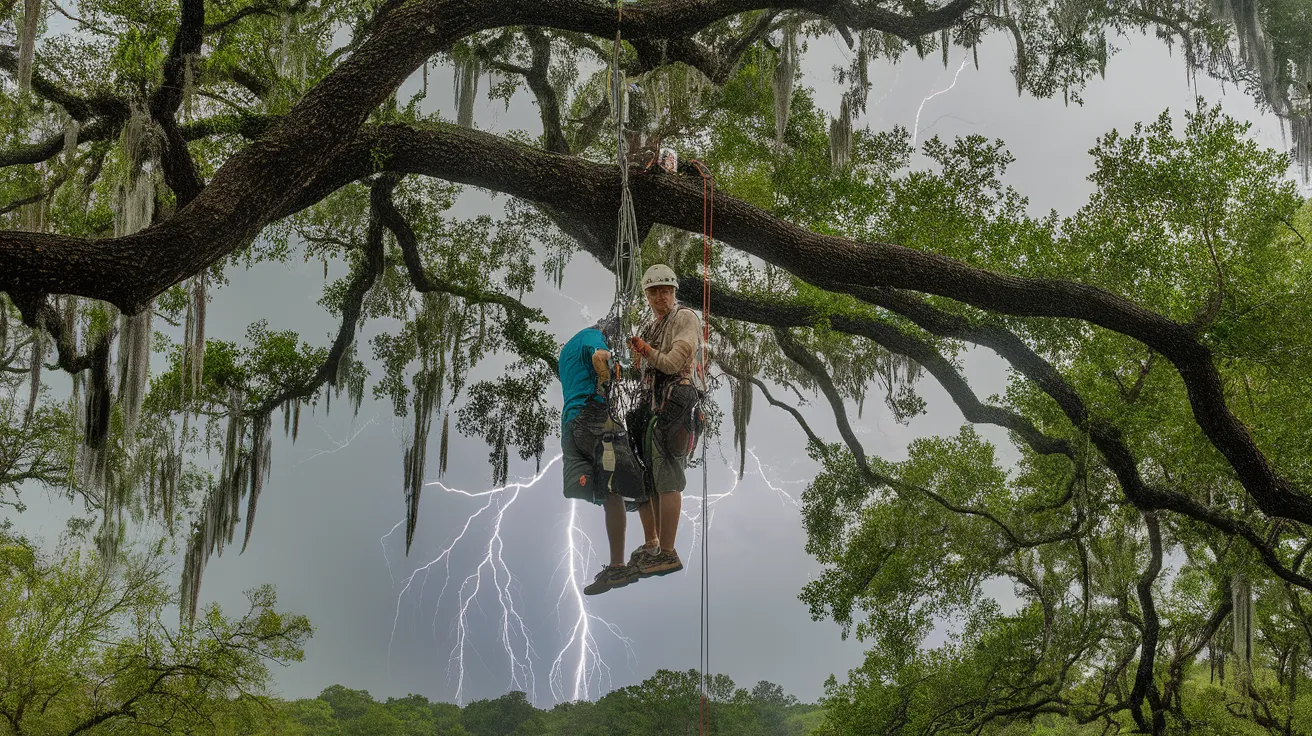
Tree Species and Care: Essential Knowledge for Homeowners
As you dive into the remarkable world of trees, understanding your specific species and their requirements builds the foundation of proper tree care. Understanding tree identification is crucial. You must recognize not only the species but also the special needs of your trees. Looking at oak, pine, or maple, each species possesses individual qualities and conditions for maximum growth.
For instance, oak trees flourish in soil that drains well and full sunlight, while pines need acidic soil and can handle colder temperatures. Maple trees favor mixed light conditions. Understanding these species requirements enables better tree maintenance. As you learn more, you'll be more capable to ensure your trees flourish. Keep in mind, understanding is key for successful tree care.
The Complete Guide to Pruning: Perfect Timing and Methods
Learning about the timing and methods to trim your trees can make all the difference in their well-being and visual appeal. Let's uncover the ideal times for trimming and examine the best cutting practices. With the right knowledge and tools, you'll be prepared to maximize your trees' potential and ensure their lasting beauty.
When to Prune: The Ideal Seasons
While many tree care tasks can be performed year-round, it's important to understand that pruning should typically be done during certain seasons for best results. Spring pruning, for instance, is ideal for many trees as it promotes robust growth during the warmer months. It's a time when trees are budding and their sap is rising, so they recover from cuts quicker. On the contrary, fall trimming can aid trees in preparing for the dormant winter season, reducing the chance of damage from harsh weather conditions. However, always consider the type of tree before deciding when to prune. Some species, such as flowering trees, may have unique requirements. Ultimately, understanding the best pruning seasons enhances your tree's health and longevity.
Trimming Techniques Unveiled
Having covered optimal pruning periods, let's discuss proper tree trimming techniques. Proper tree trimming goes beyond appearance; it's essential for tree wellness and durability. Make sure to use well-maintained, sharp tools to protect against accidental damage and remember that precision is key.
Start by identifying unhealthy branches. These should be your initial focus as they might harm the remainder of the tree. Then, assess the tree's form and balance. Try to avoid taking off large branches; rather, direct your attention on smaller ones that can be pruned without compromising the tree's general health. In conclusion, never cut too close to the tree base as it might result in decay. Don't forget, the aim is strong, balanced trees.
Tree Protection: Addressing Common Pests and Diseases
After learning about proper pruning techniques, we'll examine another key component of tree care: safeguarding your trees from typical threats and infections. When it comes to recognizing tree pests to handling frequent tree ailments, you'll learn the essentials. We'll also provide key prevention strategies so you can ensure your trees stay healthy and strong.
Spotting Frequent Tree Pests
Although trees appear robust and independent, they are commonly affected by multiple pests that could harm their well-being. Identifying pests is crucial when safeguarding your trees. Look out for signs like strange leaf discoloration, compromised bark, or sudden foliage loss. These indicators may suggest the activity of pests such as caterpillars, aphids, or beetles. The next important step is pest control. Keep in mind that not all bugs are destructive; some actually help your trees. Hence, it's vital to properly determine which pests are harmful before starting any control measures. Familiarity with frequent tree pests and their indicators can assist in keeping your trees robust and thriving for many seasons ahead.
Addressing Tree Ailments
Just as pests can endanger the health of your trees, multiple diseases also present serious threats. Accurate disease identification is crucial in choosing the best management strategy. Common diseases comprise root rot, leaf spots, and fire blight, each showing unique symptoms. Should you spot abnormal coloring, odd growths, or unexpected wilting, it's time to consult a professional for a complete diagnosis. When you've determined the disease, you should explore treatment options. Relative to the disease type, these may involve pruning, using specific solutions, or in extreme cases, tree removal. Remember, early detection and immediate intervention are key to treating tree diseases efficiently and protecting the health of your trees. Stay vigilant and feel free to seek expert advice when in doubt.
Smart Pest Management Strategies
Although tree diseases are a major concern, pest infestations are another challenge to address. These creatures can harm your trees' wellbeing, leading to permanent damage if left untreated. Establishing pest prevention measures is vital in protecting tree wellness. An efficient strategy is applying eco-friendly pesticides. These are environmentally safe and pose minimal risk to beneficial organisms. Apply these treatments to your trees consistently, particularly during pest breeding periods. Additionally, ensure your trees stay healthy; vigorous trees naturally deter pest problems. Regular trimming, adequate watering, and proper nutrition play a crucial role in tree wellness. Keep in mind that prevention exceeds cure. Stay watchful and active in your tree maintenance efforts.
The Vital Role of Proper Nourishment: Fertilizing Your Trees
To guarantee the health and longevity of your trees, proper nourishment is vital. Just like humans, trees require a well-rounded nutrition to thrive. They need a mix of essential nutrients, which they typically obtain from the soil. However, urban soil commonly doesn't contain these vital nutrients, making fertilizing a significant part of tree care.
Understand tree nutritional needs and discover the correct fertilizing techniques. Utilize a slow-release fertilizer to steadily provide nutrients to the tree's roots, encouraging better growth. The timing of application plays a crucial role; usually, early spring and fall are the ideal times to fertilize trees. Keep in mind, improper fertilizing can lead to nutrient damage or deficiency. As a result, work toward balance in your tree's feeding program.
Weather's Influence: Tailoring Tree Care for Sarasota's Climate
Just as essential as here providing proper nutrition is adapting your tree care practices to Sarasota's unique climate. The high humidity levels throughout the year can significantly impact trees, often resulting in fungal diseases. Conduct regular tree inspections for disease symptoms, most importantly after substantial rainfall periods.
Sarasota's changing weather conditions have a significant impact in proper tree maintenance. From summer downpours to winter cold snaps, these environmental factors can weaken trees, leaving them at higher risk of damage and disease. It's vital to trim away weak branches and ensure trees are structurally sound prior to the storm season.
What to Look for When Choosing a Tree Specialist in Sarasota
Looking to find a trustworthy tree specialist in Sarasota? It's important to evaluate certification standards and service reviews. Certified professionals have completed comprehensive training and fulfill industry standards, ensuring they're equipped to manage your tree care needs efficiently. Review whether potential specialists have ISA (International Society of Arboriculture) or TCIA (Tree Care Industry Association) certifications. These are valued credentials in the field. Furthermore, don't overlook service reviews. Customer reviews offers insight into the specialist's quality of service. Be aware that it goes beyond getting the job done; it's about guaranteeing it's done right. Take your time with your decision. Gather information and choose a tree specialist that matches your expectations and requirements.
The Environmental Impact: Exploring How Tree Care Enhances a Greener Sarasota
After exploring how to select a reliable tree specialist in Sarasota, let's consider why this is crucial for our environment. Quality tree care extends beyond simply beautifying your property; it's about developing a more sustainable Sarasota.
By implementing sustainable practices, you help advance the development of urban forestry, which benefits our environment. Trees serve as natural air filters, filtering out harmful pollutants and producing oxygen. They additionally help mitigate climate change by capturing carbon dioxide.
Moreover, healthy trees are essential for biodiversity, offering natural environments for various species. So, when you invest in professional tree care, you're not just beautifying your yard, but also adding a valuable contribution to our environment. Opt for environmental responsibility, prioritize expert tree services.
Frequently Asked Questions
What Does Tree Care Cost in Sarasota?
Tree service costs in Sarasota depends on multiple elements. Pricing is influenced by elements such as the tree's dimensions, health, and positioning. For detailed pricing, we suggest you contact Sarasota tree service experts.
Are There Any Local Rules and Regulations About Tree Care in Sarasota?
Sarasota has specific local ordinances for tree care. Tree preservation guidelines must be followed according to local regulations. You need to understand these requirements to avoid violating any rules.
How Can I Tell when I Need Immediate Tree Attention?
Keep an eye out for signs of tree problems such as unexpected leaf loss, tilting trunks, or even unusual growths. Upon seeing these issues, immediate action is needed. Contact an experienced tree expert immediately to avoid further tree damage or dangerous situations.
How Frequently Should an Arborist Examine Your Trees
Much like a medical examination, your trees require seasonal inspections by a certified arborist. You should have them inspected at least annually. Routine checks help ensure tree health and stop potential problems.
Can Professional Tree Care Impact Your Property's Value?
Absolutely, caring for your trees has a substantial effect on the value of your property. Properly cared for trees elevate property aesthetics, potentially increasing investment return. Conversely, poor tree care may diminish your home's attractiveness, negatively affecting its worth.
Wrapping Up
After you've become an expert in caring for trees in Sarasota. You know all about tree species, methods to care for, shield, nurture and adapt them to the weather. You're even knowledgeable about selecting tree care professionals. But keep in mind, this isn't just appearances. Your tree maintenance supports a greener Sarasota. And that's a compelling story everyone can root for. Continue caring for your trees, and observe Sarasota prosper. The future of our community's green legacy rests with you.